Tuesday, 30 January 2018
Why are we Afraid to Label Films as Horror?
It's been a week since this years Academy Award nominations were released and it's safe to say that they were full of surprises. Not only did Guillermo Del Toro's Cold War creature feature The Shape of Water garner a whopping 13 nominations in total, but Jordan Peele's Get Out also gained four nominations as well, including best film and best director. Four nominations may not seem like much, but for a horror film like Get Out to even be nominated for anything at the Academy Awards is groundbreaking in itself. It was a triumphant moment for horror fans everywhere, but of course, it wasn't long before people began voicing their opinions on the matter online. Of course there were the usual 'didn't think it was scary' comments, mainly from middle-aged white males with American flags in their profile pictures, but even more bizarre was the fact that there were people actually dismissing its status as a horror film! Some people instead preferred to label it as a thriller or social satire, as if the term 'horror film' is some sort of dirty word. So why are people so afraid to label a film as a horror once it's gained some critical acclaim?
The Get Out situation is not the first time this has happened, and it certainly won't be the last. Look at The Exorcist for example, one of the most important horror films ever made, often cited as being one of the scariest films of all time, yet there are some people who refuse to label it a horror film. Even director William Friedkin was hesitant to call it horror, claiming that he set out to make a film about 'the mystery of faith' instead, although he has now come to accept its horror status. It's true that The Exorcist is a film about faith and the struggle with maintaining belief, but why should that mean that it's not a horror film as well? The truth is that there is still this stigma around the term 'horror' when it comes to cinema, with many being firmly in the mindset that horror films are of lower quality than their contemporaries in other genres. With The Exorcist gaining 10 Oscar nominations and winning 2, there's no way that such a prestigious film could be a mere horror movie, right? Well, unfortunately, this is the actual mindset that some people have, which is, if you'll excuse me, a load of bollocks. Films like Jaws and The Silence of the Lambs went through similar ordeals, with the latter winning the 'big five' Academy Awards, there was no way that a horror film could do that, right? People instead prefer to label such films as 'thrillers' because it doesn't carry the same stigma that the term 'horror' does. Let's be real here lads, if a films about killer sharks or cannibalistic psychiatrists aren't horror films, then what exactly is?
So where does this stigma come from? It's no secret that horror films have pushed boundaries and broken taboos, perhaps moreso than any other genre, which often gains them a considerable amount of controversy. The portrayal of themes such as violence and sexuality in horror cinema gave many a bad impression of the genre during the mid-to-late 20th century, which is most likely where this stigma arose from. It is because of this stigma that many people still don't take horror films seriously today, which is bizarre considering how much the genre has influenced todays cinematic landscape. Look at Universal Studios for example, one of the most powerful American film studios right now. Back in 1930 however, the company was losing money fast and needed a breath of fresh air to keep it going, that's where Carl Laemmle Jr. came in. After inheriting the company from his father, Laemmle Jr. saw the potential held by horror films after Dracula became the studios most successful release in 1931. The studio then began to produce a wide number of horror films in the years that followed including The Wolf Man and Bride of Frankenstein. If it wasn't for horror films, the company could have very well went bankrupt, but because of them it now stands as one of Americas most successful film studios. As well as giving Universal a fresh start, horror cinema has also kickstarted the career of a number of prolific directors as well. Before he made Avatar, James Cameron made Piranha II. Before he made The Lord of the Rings trilogy, Peter Jackson was one of the icons of splatter cinema, with films such as Braindead and Bad Taste under his belt. You simply cannot deny horror's influence on the current cinematic climate.
As well as this stigma surrounding the horror genre, there is also the age old argument that 'this film did not scare me, therefore it is not a horror film'. Look, fear is subjective, something that scares one person will not always scare another, and therefore some horror films will effect different people in different ways. I know the Sinister films don't phase me at all, but there are plenty of people out there who find them terrifying, and I think it's important to be able to recognise that what may not scare you could very well horrify someone else. To me, a film doesn't have to scare me to be a horror film, I mean I've seen so many at this stage of the game that most of them don't. Horror isn't just about being scared, it's about exploring the morbid and the macabre, the fantastic and the downright bizarre. It's a genre where the fears and tensions of the real world can manifest themselves in strange, and often supernatural ways that translate to us on a number of levels. Most importantly I think it's a highly subversive genre, much like sci-fi, and is a lot more satirical than people tend to realise. From Dawn of the Dead poking fun at consumerism, to Shivers exploring class and sexuality, even Frankenhooker had something to say about the legality of sex work, be they intentional or not, I guarantee the vast majority of horror films hold some sort of satirical undertones. This is why I was so surprised when people dismissed Get Out as a horror film because they saw it more as a social satire, when horror and satire have gone hand in hand for decades!
I've always seen horror cinema as an art form all of its own. Being able to craft an effective scare is no easy feat and a number of complimentary factors are required to do so. Which is why it bothers me so much when people are still so afraid to label successful horror films as just that. Being part of the horror genre does not make a film inferior in any way, shape or form. It is a genre that has been around almost as long as cinema itself, and its legacy reaches across many other genres over many generations. Horror films require just as much skill and dedication as any other film, regardless of budget, so stigmatising the genre as inferior is insulting not just to the fans, but to the cast and crew behind such great films. 'Horror' shouldn't be a dirty word in cinema, it deserves just as much respect and recognition as any other genre. I think Guillermo Del Toro put it best during his Golden Globes acceptance speech for The Shape of Water, when he said that 'somewhere, Lon Chaney is smiling upon all of us'. This is the attitude that film fans and filmmakers alike should adopt when a horror film garners such remarkable critical success. Instead of simply labeling it as something other than horror, we should be thankful for the fact that the genre is finally getting the respect and recognition it deserves.
Monday, 22 January 2018
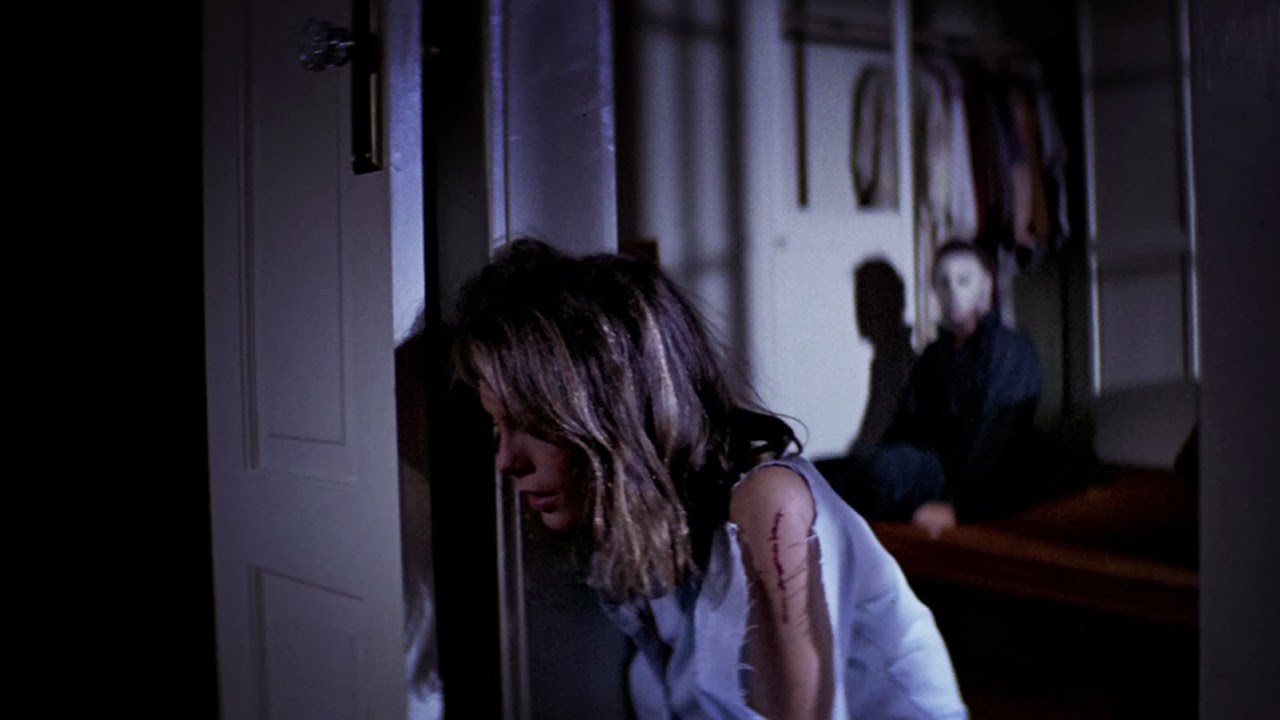
Revisiting 'Halloween' 40 Years On
Last week John Carpenter turned 70 years old, and Rotten Tomatoes accidentally pronounced him dead in a now iconic tweet that has since been deleted. Thankfully, Mr. Carpenter is still very much alive and well, despite what the popular review aggregation website had claimed. 2018 not only marks the 70th birthday of one of horror cinema's greatest living legends, but it also marks an important anniversary for one of his most iconic films. That's right, Halloween turns 40 this year. Shot over 20 days on a budget of $300,000, which was considered pretty low at the time, Halloween was nothing more than a low-budget indie horror upon its conception, and nobody could have predicted how profoundly it would influence the horror landscape in the years that followed.
As most of you know, Halloween is a 1978 slasher film that follows the murderous Michael Myers (Nick Castle) as he escapes from a mental institution and returns to his hometown of Haddonfield on Halloween. Myers proceeds to stalk teenager Laurie Strode (Jamie Lee Curtis) and her friends over the course of October 31st, while his psychologist Dr. Samuel Loomis (Donald Pleasence) attempts to put a stop to his murderous deeds once and for all. Dark, suspenseful, and filled with dread, Halloween became one of the most groundbreaking horror films of the 1970's, launching the acting career of Jamie Lee Curtis, and cementing it's director John Carpenter as a true master of horror. 40 years later, it is still a phenomenal horror film that has left behind a legacy of terror in the decades that followed it.
Now Halloween was not the first ever slasher film, it was preceded by a number of similar films such as Psycho (1960), Black Christmas (1974), and The Texas Chain Saw Massacre (1974), as well as the numerous Italian gialli that dominated horror cinema in Europe at the same time. In that case I suppose Halloween could be considered The Beatles of slasher cinema, in the sense that they weren't the first to do what they did, but they were certainly one of the most influential bands of their time. After Halloween's release in 1978, an influx in slasher films came about, with the likes of Friday the 13th and Prom Night following soon after. The next decade would be dominated by slasher films, all thanks to Halloween. A lot of subsequent slashers would attempt to put their own spin on the genre, building upon Carpenter's original idea with concepts of their own, Wes Craven's A Nightmare on Elm Street is a fine example as it introduced supernatural elements to the slasher formula. On the other hand, some slashers would simply follow the formula of Halloween almost step by step in order to cash in on its success, such as The Slumber Party Massacre, or even some of the Friday the 13th films, sorry Jason. Halloween certainly changed the game for the next decade or so when it hit cinemas in 1978, slashers were in fashion thanks to Carpenter and co.
While it spawned a large number of imitators throughout the 1980's, Halloween also spawned its own franchise as well. While Carpenter and the late Debra Hill only wrote the first two films, as well as producing the third, their original film spawned seven sequels overall, as well as a 2007 remake with its own subsequent sequel, and an upcoming follow-up to the original. Michael Myers, or 'The Shape' became an icon of horror cinema, returning again and again to wreak havoc on unsuspecting teenagers. However, the franchise could have been totally different. Initially, Carpenter and Hill envisioned Halloween as an anthology franchise, with each subsequent film following a completely new story, with the theme of Halloween linking them all together. However, after the huge success of the original film, production was already underway on a direct follow up, forcing Carpenter and Hill to save their anthology idea for the third installment, Season of the Witch. Now in my opinion, Season of the Witch is a really effective horror film in its own right, and the idea of a Halloween anthology franchise is extremely appealing, however it was just not meant to be. When people saw the Halloween title they were expecting Michael Myers, but in the third installment he is nowhere to be seen (unless you count a brief cameo on a television displaying the original trailer for Halloween). Fans and critics alike were displeased, forcing the producers to bring Myers back again and again in the films that would follow. While each film is a further step down the ladder from the last (except maybe with the exception of Halloween H20) the Halloween franchise is nonetheless an iconic one, and launched the careers of the likes of Danielle Harris, Paul Rudd, and of course, Jamie Lee Curtis.
It's clear that Halloween's influence is undisputed, but what about the actual film itself? How does it hold up 40 years on? Well, two years ago I was lucky enough to see it in cinemas on Halloween night and am thankful to report that it was still an incredibly intense and terrifying experience as I am sure it would have been way back in 1978. Halloween highlighted Carpenters talent for crafting slow-burning sequences of dread, set to his chilling, synthy score. One such scene involves Myers stalking Laurie's friend Annie Brackett (Nancy Kyes) while she babysits young Lindsey Wallace (Kyle Richards). The pacing is dead slow as we follow both Michael and Annie simultaneously, with the latter being unaware of the former's presence. We know he's there, but she doesn't. Carpenter isolates Annie a number of times, most notably when she goes out to the laundry shed in the back garden, but he knew not to spring Michael out too early, the timing had to be absolutely perfect. For a moment it seems as though Annie is safe as she drops Lindsey off with Laurie and sets off for a hot date with her man, Paul. That's when Carpenter takes action, straight after giving his character that false sense of security, he springs his trap and shocks the entire audience. No matter how many times I've watched Halloween, this scene always stands out as one of the most effective.
Of course, Carpenter's direction would be nothing without his score, and his theme song for Halloween has become something of a hallmark of horror cinema. However, it's how Carpenter manages to time his pieces to the action that really makes it effective. Towards the end of the film Laurie takes a breather after a struggle with Michael, believing that she had killed him for good. However, unbeknownst to her, Michael slowly gets back on his feet, and Carpenter's eerie score kicks off once again. She is unaware of what's happening behind her, but the audience is, and as Michael advances on Laurie we can't help but cry out just as Jamie Kennedy did in Scream. To be fair, it would be tense enough without any music at all, but Carpenter's score adds an extra layer of nuance to the scene, raising the tension to eleven. In terms of fear factor, Halloween still holds up reasonably well in the modern horror climate. Carpenter uses his skills of the craft to masterfully build this suspenseful atmosphere, culminating in highly effective, well-timed scares, that still work upon every watch.
After all these years, the influence of Halloween is still evident in the horror genre. Back in 2015 we were treated to David Robert Mitchell's hair-raising horror film It Follows, that owed a lot to Halloween. The use of wide-angle lenses and that synth-heavy score from Disasterpiece were direct homages to Carpenter's filmmaking style, particularly in Halloween. Similarly, director Jordan Peele cited the opening scene of his debut Get Out as a tribute to the film as well. The seemingly average suburban setting being interrupted by horrific violence was something that Halloween made popular, and Get Out and It Follows are only some examples of the films that adopted this theme. Jamie Lee Curtis' Laurie Strode became the archetypal 'final girl', the female protagonist who overcomes her male aggressor and survives the events of the film. The final girl trope lives on to this day, with some more recent examples being Erin (Sharni Vinson) from You're Next, and Mia (Jane Levy) from the Evil Dead remake. The image of the final girl painted by Strode became commonplace in horror cinema, and opened the genre to a new generation of female empowerment. As for Michael Myers, well, what more can I say about him? He remains one of the most recognisable horror film villains of all time and inspired a wave of similar antagonists such as Jason Voorhees and more recently, Victor Crowley of the Hatchet franchise.
The Halloween franchise may have went extremely downhill after the first couple of sequels, but the original still remains untainted. Later this year, Jamie Lee Curtis and Nick Castle will return 40 years on, to reprise their roles as Laurie Strode and Michael Myers respectively. Directed by David Gordon Green, and written by both him and Danny McBride, the film is set to erase most of the sequels from the canon and will instead link directly to the first film. While Carpenter will not direct the film, he will be scoring it, and has given the script his blessing which is fantastic news. It gives us fans a lot more faith in the film and raises the anticipation significantly. While little else has been revealed about the plot, I for one look forward to returning to Haddonfield once more, and who knows, maybe this film will spark a new generation of slasher films for the next decade or so, just as the original did 40 years ago.
Thursday, 11 January 2018
Frankenstein on the Silver Screen
2018 marks the 200th anniversary of Mary Shelley's seminal novel Frankenstein; or the Modern Prometheus, one of the most important Gothic novels ever made. As much as I hate to admit it, I've never actually read Shelley's original novel (might make that my New Years resolution) so I'm not exactly qualified to talk about the literature and its influence. However, I feel like I should commemorate Shelley's work in some way, the only way I really could, by looking at its cinematic influence. Not only has Frankenstein spawned a plethora of adaptations on both the big screen and small, its mythology and ideas have also inspired an even wider number of films, which most of the time pay it homage. The following are my ten favourite films based on Mary Shelley's Frankenstein, ranging from straightforward adaptations, to films that put their own spin on the mythology as well. Read on, if you dare.
10. Frankenhooker (Frank Henenlotter, 1990)
From the mind behind Basket Case came a bizarre tale inspired by Mary Shelley's novel that followed medical school dropout Jeffrey Franken (James Lorinz) attempting to resurrect his deceased wife (Patty Mullen) using the body parts of prostitutes. Now from that premise alone you may think that Frankenhooker is a trashy B-movie, and you'd be right, but as we all know that is definitely not always a bad thing. The film takes a more comedic approach to Frankenstein mythos, taking ideas from the novel and setting them against the backdrop of the sleazy alleyways of New York City. It's a far cry from Shelley's novel, but it works, and it never takes itself too seriously because it knows exactly what it is. Patty Mullen is particularly hilarious as Elizabeth aka Frankenhooker, gurning her way around New York while delivering every line of dialogue with a unique sense of comedic bliss, it's a shame she never got up to any acting after this. Beneath all of its wackiness and exploding prostitutes however, Frankenhooker has some surpisingly touching moments and makes some subtle social commentary on the legalisation of prostitution. Overall, it's an extremely entertaining B-movie from Henenlotter that manages to blend horror and comedy together superbly. It's definitely a different sort of Frankenstein story to what we're used to, but that's the beauty of it.
9. Frankenstein Created Woman (Terence Fisher, 1967)
The fourth Frankenstein film from Hammer Film Productions sees Victor Frankenstein (Peter Cushing) delve into the strange world of metaphysics and the human soul. After one of his lab assistants is wrongfully executed, Frankenstein transfers his soul into the body of the recently deceased Christina (Susan Denberg), reanimating her, and sending her off on a vengeful killing spree. Once again Peter Cushing takes on the role of Baron Frankenstein, playing him as a brilliant, yet arrogant scientist who is willing to do whatever it takes for the sake of his experiments. Then of course, there is the female creature played by Susan Denberg, who uses her beauty and feminine charms to seduce and kill her subsequent victims. While Christina is under the influence of her ex-lovers soul, manipulating her into murder, it's a fitting revenge tale for them both as she too was tormented by the hoodlums who she sets out to kill. It's certainly a unique take on the Frankenstein mythos as it focuses on concepts such as the soul and its relationship to the body, as opposed to simply science. It's an interesting direction to take the story, and while it's not the best of Hammer's Frankenstein films, it's definitely one of the more unique ones. Cushing is brilliant, Denberg is deadly, and overall, Frankenstein Created Woman is a memorable, and highly distinctive gothic revenge tale.
8. Frankenweenie (Tim Burton, 2012)
While Tim Burton's career is not what it used to be, Frankenweenie acts as an underrated gem in his recent filmography. Based on his original short film of the same name, this charming stop-motion flick follows a young boy named Victor Frankenstein (Charlie Tahan) who resurrects his dog sparky after he is killed in a car accident. This is one of the ultimate love letters to classic monster movies, paying homage to Frankenstein itself, along with the likes of Godzilla and The Creature From the Black Lagoon as well. There's even a character whose appearance and voice is almost identical to that of Boris Karloff. As expected from a Burton film, Frankenweenie is visually stunning, with the gothic sets soaked in gorgeous black-and-white, giving it the aesthetic of an old Universal creature feature. Much like Universal's Frankenstein, the film contains as much heart as it does horror as well. The central concept of a boys relationship with his dog is something that many can relate to, and the lengths that Victor goes to in order to reunite with his dear Sparky is quiet compelling. This is the perfect film to introduce younger children to the world of monster movies, particularly the Frankenstein story. If you love classic horror and you love dogs, then Frankenweenie may just be the perfect film for you.
7. Frankenstein (J. Searle Dawley, 1910)
This 16 minute silent film is in fact the first even onscreen adaptation of Shelley's novel, while it was lost for many years, it has since been rediscovered and restored, and is available to watch on YouTube. The film tells a condensed version of the original story, with Dr. Frankenstein (Augustus Phillips) attempting to create the 'perfect human' only to actually create a terrifying monster (Charles Ogle). Ogle's monster is a lot closer to Shelley's description of him, with his sunken features and long, black hair, he truly is a terrifying piece of work. However, it is not until he finally sees his own reflection that he realises why his creator is so afraid of him, eventually he accepts that he can never be accepted and simply disappears. It set the foundations for future adaptations of the Frankenstein story, especially the idea of the monster simply seeking acceptance and companionship. While only 16 minutes in length, this original adaptation of Frankenstein is effective nonetheless, and acted as a precursor of the better-known adaptations that would come later.
6. Abbott and Costello Meet Frankenstein (Charles Barton, 1948)
Comedy duo Bud Abbott and Lou Costello come face to face with Frankenstein's creature (Glenn Strange) and a variety of other monsters in this 1948 comedy classic. The duo portray baggage clerks at a railway station who become tangled in a web of terrors when they receive crates containing the remains of both Count Dracula (Bela Lugosi) and Frankenstein's monster. To make matters worse, Larry Talbot aka The Wolfman (Lon Chaney Jr.) is not too far behind. While this is a comedy at heart, it is also perhaps the greatest monster crossover of all time, bringing Lugosi's Dracula, Chaney's Wolfman, and Glenn Strange's monster together for a monster mash of epic proportions. This was Glenn Strange's third time as the monster, portraying him a little more comically than before due to the tone of the film, nevertheless he is still a powerful force to be reckoned with and manages to outlast his fellow monsters right until the end. This was in fact his final onscreen performance as the creature, and the end of Universal's Frankenstein saga, finishing off their iconic creature once and for all. It's only fitting that he would be joined by both Dracula and the Wolf man in his final foray, as well as a cameo from the Invisible Man played by Vincent Price. A fitting farewell to Universal's monster movie era.
5. Young Frankenstein (Mel Brooks, 1974)
Bringing Gene Wilder and Mel Brooks together again after the success of Blazing Saddles, Young Frankenstein acts as both an homage to and parody of Universal's Frankenstein films. The film follows Frederick Frankenstein (Wilder), ahem, 'Fronkensteen', the grandson of the original Doctor who is ashamed of his family name. However, after inheriting his families estate in Transylvania, Frederick soon realises that he cannot escape his families legacy. Young Frankenstein is not only one of the best horror parodies ever made, it's also one of the greatest comedies of all time. Wilder and Brooks' script is hilarious on its own, but combined with incredible performances from the likes of Wilder and Peter Boyle, it becomes something much more. One of the most memorable scenes involves the two of them performing a rendition of 'Puttin' on the ritz', or as the creature might say, 'pudd'nonnariiitz!'. The real highlight however, is Marty Feldman as the Doctor's hunchbacked assistant Igor, who delivers some of the films most iconic lines (what hump?), it's arguably one of his greatest roles. Young Frankenstein is an effective comedy regardless of how familiar you are with Universal's Frankenstein films, but if you are a fan, the film is riddled with easter eggs and homages to those golden age monster movies.
4. The Curse of Frankenstein (Terence Fisher, 1957)
Horror took a hiatus of sorts in the 1950's, shifting more towards science fiction stories to fit in with the atom age, but that all changed in 1957 when Hammer released The Curse of Frankenstein. Helmed by screenwriter Jimmy Sangster and director Terence Fisher, two of Hammer's greatest minds, the film re-told the Frankenstein story for an newer audience, now in full colour and with lots of blood. Peter Cushing took on the role of Victor Frankenstein, a more arrogant and sinister figure in comparison to Colin Clive's original portrayal, while Christopher Lee played the monster. The Curse of Frankenstein is a lot more influential than people seem to think, it was the first really bloody horror film that showed wounds and some extent of gore. It also led to a string of other successful Hammer horror films including the likes of Dracula and The Mummy, soon establishing the studio as the next great horror powerhouse. It was quite controversial upon its release, with many critics denouncing it, however it is now looked upon as being one of the greatest adaptations of Shelley's novel, and one of the most influential horror films of the 1950's.
3. Flesh for Frankenstein (Paul Morrissey, 1974)
Also known as Andy Warhol's Frankenstein, this is perhaps the most bizarre entry on the list. The film follows Baron von Frankenstein (Udo Kier) as he attempts to create a perfect race of beings, beginning by making a perfect man and a perfect woman. Packed to the brim with sex, gore, and humour, Flesh for Frankenstein is absolutely bonkers. Udo Kier takes center stage as the deranged Baron and as always, his performance is one to remember. "To know death" he proclaims to his manservant Otto (Arno Juerging), "you have to fuck life.. in the gallbladder!" To call this an exploitation film would be an understatement, but it's exploitation of the highest order. It's an outrageous film that was followed up by another Paul Morrissey/Udo Kier collaboration entitled Blood for Dracula the same year, you can guess what that one's about. This is the most depraved version of Frankenstein that has ever been and tackles a number of controversial subjects including, but not limited to necrophilia. It's definitely not for everyone, but it has a certain type of bizarre charm that has made it a cult classic among horror fans. From Kier's excellent performance, to the brilliant gore effects and Morrissey's own unique directorial vision, Flesh for Frankenstein is the ultimate hybrid of gothic horror and exploitation.
2. Frankenstein (James Whale, 1931)
After the success of Dracula in 1931 Universal studios saw a lot of potential in the world of horror cinema, thus giving birth to Frankenstein that same year. This is by far the most influential Frankenstein film, taking some inspiration from the aforementioned 1910 version while using the resources of Universal studios to create a brand new gothic cinematic spectacle. The old castles, the gigantic laboratories, they would all become staples of Frankenstein films in the years to come, and James Whale's 1931 version is what started it all. As well as that, this marks Boris Karloff's first appearance as the monster, his portrayal and ghastly appearance, courtesy of Jack Pierce, would also become highly influential on future iterations of the monster. It's the big daddy of gothic horror cinema and did for that subgenre what Halloween did for slashers 47 years later. Visually stunning, with a chilling atmosphere and a complex movie monster at the center of it all, Frankenstein inspired a generation of horror cinema and brought the genre into the mainstream. However, in 1935, Karloff and co. would outdo themselves yet again.
1. Bride of Frankenstein (James Whale, 1935)
Before Godfather Part 2 and Aliens, there was Bride of Frankenstein, which still stands as one of the greatest sequels of all time. Picking up where its predecessor left off, the film continues to follow the monster and his creator, Henry Frankenstein (Colin Clive), who is pressured into resuming his experiments by his ex-mentor Dr. Pretorius (Ernest Thesiger). The film took everything that was great about the first and expanded upon it. Not only did it introduce a number of new characters such as Pretorius and the titular bride (Elsa Lanchester ), but it also added another layer of depth to the monster himself. As he continues to learn and develop, he becomes more detached from society and yearns even more for companionship, ultimately confronting his creator and demanding he build him a mate. Once again James Whale brings his masterful direction to the table to create an ominous gothic masterpiece, once again full of ghoulish imagery and wonderful performances. It's eerie, it's darkly comedic, but overall it's a quite compelling film and I feel it truly embodies what Karloff's monster was all about, the search for acceptance. Bride of Frankenstein is not only the greatest Frankenstein film of all time, but in my opinion it still stands as being one of the greatest horror films ever made.
So those are my top 10 Frankenstein films, what's your favourite? If writing up this list has taught me anything, it's that I badly need to read Shelley's novel as soon as possible, I feel like a fake Frankenstein fanboy otherwise. Until next time folks.
Tuesday, 2 January 2018
Top 10 Horror Film Dance Scenes
Happy new year folks, 2017 is well and truly over and 2018 is here to stay (for another 12 months at least), so what better way to kick off the new year than another horror-themed post! I've spent the guts of the previous month sort of reviewing the best of 2017, so I feel like the best way to kick off 2018 is to look at some good old fashioned horror films. However, this isn't just any old horror film blog post, no siree, this is something a lot stranger, a post about dance scenes in horror cinema. Now dance scenes can be strange enough in any context outside musicals, but something about horror film dance scenes are particularly bizarre. In a genre that mainly focuses on the morbid and macabre, dance sequences don't usually seem to fit the bill, however, there are actually a good number of horror films that have them. While some of them are odd and truly out of place, others actually surprisingly suit their respective films. and this list will see a combination of both. I should also note that I will not be including any of the dance scenes from The Rocky Horror Picture Show as it is a musical after all so dance scenes are to be expected. Anyway, here we go:
10. Suspiria (Dario Argento, 1977)
As it is set at ballet school, it's natural that Dario Argento's Suspiria has a couple of dance sequences, otherwise what's the point of having it set there in the first place? This particular scene takes place after Suzy (Jessica Harper) has an unusual encounter in the hallway that leaves her feeling rather ill. Despite her protests, she is forced to participate in rehearsals with her fellow classmates under the strict supervision of Ms. Tanner (Alida Valli). While her classmates proceed to dance elegantly, Suzy struggles to keep up and as the scene progresses she becomes more and more disoriented. It's an effective scene, as Harper's performance and the irritating instructions from Ms. Tanner give us an idea of how dead Suzy really feels. We can almost feel her relief when she collapses to the floor.
9. A Nightmare on Elm Street 2: Freddy's Revenge (Jack Sholder, 1985)
The first sequel to Wes Craven's seminal slasher flick has been interpreted by critics as a metaphor for closeted homosexuality and coming to terms with it. It's true that the film does have some underlying themes of sexuality and repression, and the moment where this is most evident is during the dance scene. As he unpacks in his new room, Jesse (Mark Patton) begins to break into dance, gyrating his hips and twerking his drawer shut while miming to the song on the radio. Actor Mark Patton was in fact gay himself, and it's a shame that the filmmakers didn't write the character as a gay man instead of just providing subtext. However, the oddly place dance scene has been one of the many scenes in the film that critics reference when looking at said subtext, and it's nice to see Jesse let loose for once instead of holding himself back as in the rest of the film. This gave us twerking before it was mainstream.
8. Friday the 13th: A New Beginning (Danny Steinmann, 1985)
Elsewhere in 1985, the Friday the 13th franchise was also incorporating dance scenes into their franchise. This scene from the fifth installment sees goth girl Violet (Tiffany Helm) dancing the robot in her bedroom, for some reason. Unbeknownst to her however, the hockey-mask-wearing killer is watching, and about to make his next move. It's a shame that 80's kids loved to dance alone in their rooms, because if she was less distracted by doing the robot then perhaps Violet would have survived, but unfortunately she did not. She may have been killed, but at least she got to break out her sick dance moves beforehand. Oddly enough however, this isn't the only Friday the 13th film on the list, but we'll get to that.
7. Stage Fright (Michele Soavi, 1987)
Michele Soavi's slasher/giallo hybrid begins with a woman walking down a dodgy looking street before being grabbed by an unseen assailant. The surrounding civilians then proceed to investigate before the killer bursts out of the alleyway and.. breaks into dance. Yep, this was a musical number in disguise the whole time! What we were actually watching was a rehearsal for the play-within-a-film called The Nite Owl, and the opening scene was actually one of its musical numbers. It's a clever way to start a film and left me in tears of laughter when I watched it first, of course there are plenty of actual murders later on, but this was just a dance scene in disguise. As well as that, the fact that the dancing killer wears a giant owl mask just makes things all the more hilarious.
6. House of the Devil (Ti West, 2009)
This cool 70's throwback from Ti West contains the most recent horror film dance on the list, but by no means does that make it any less memorable. While looking after a house owned by the mysterious Ullman's, Samantha (Jocelin Donahue) decides to explore their extensive abode, but not just in any old fashion, oh no, she explores the house whilst dancing. Samantha sticks on her headphones and rocks around the house, checking out the kitchen, grooving up the stairs, before knocking over a vase and cutting her dancing short. It's a surprisingly upbeat scene in a film that becomes gradually chilling afterwards, at least Samantha got to break out some moves before things got grizzly.
5. From Dusk Till Dawn (Robert Rodriguez, 1996)
The most iconic scene from this Tarantino-penned vampire flick is of course the sensual dance of Santanico Pandemonium (Salma Hayek), one of the vampiric strippers at the Titty Twister bar. Set to the tune of 'After Dark' by Tito & Tarantula, Santanico Pandemonium almost hypnotizes all of the onlooking men, dominating the room and holding every single male gaze. She even gets a little bit intimate with Richie Gecko (Quentin Tarantino himself) when she ehh, sticks her foot in his mouth, I mean he did write this after all so what do you expect? Hayek truly owns the scene, and it acts as a fitting calm before the storm of gory violence that follows.
4. Troll 2 (Claudio Fragasso, 1990)
Now there are many, many oddities in Troll 2 that would make even Tommy Wiseau cringe, from the popcorn love scene (don't ask), to 'pissing on hospitality', it's a bizarre film altogether. Naturally, there is also a dance scene which, in retrospect, doesn't seem as weird compared to the rest of the film, but as far as dance scene standards go it's pretty unusual itself. Holly (Connie McFarland) takes inspiration from the 80's teens that preceded her and begins to dance alone in her room, watching herself in her mirror as she does so. After a few seconds however, she abruptly decides to stop and that's it, the film can't even get oddly placed dance scenes right. It's one of the less puzzling moments of the film, which is saying something, but it's still a memorable one nonetheless.
3. The Wicker Man (Robin Hardy, 1973)
There are actually a few dance scenes in The Wicker Man, from the maypole to Christopher Lee's peculiar cross-dressed dance, but the one that has the most importance in terms of the films plot and themes is Willow's (Britt Ekland) dance. As Sergeant Howie (Edward Woodward) settles into bed, the landlord's daughter Willow calls to him in song from the next room. She is attempting to seduce Howie and from his reactions it is clear that he is struggling not to give in. This is an important moment as Howie, a devout Christian, is attempting to resist the temptation of the seductive Willow. It ties into the films themes of faith, and the conflict between Christianity and the older 'pagan' religions. Howie manages to resist Willow in the end, but only just about by the looks of things.
2. Friday the 13th: The Final Chapter (Joseph Zito, 1984)
The definitive Friday the 13th film contains an iconic dance scene from the man himself, Crispin Glover. While many may know Glover more for his roles in the likes of Back to the Future, and Alice in Wonderland, in 1984 he was being stalked by Jason Voorhees at Crystal Lake. This scene sees Glover's character Jimmy attempt to attract the attention of a girl by breaking out some truly sick dance moves. Jerking, and jumping around in true Glover fashion, he finally manages to woo Tina (Camille More) and get his bit before being stabbed with a corkscrew by Jason. While Jimmy's death was unfortunate, he will always be remembered for his heroic dancing that managed to even seduce a woman.
1. Night of the Demons (Kevin S. Tenney, 1988)
Just beating Glover for the top spot however is a dance scene from this 80's cult classic, Night of the Demons. After being possessed at a Halloween party via her friend Suzanne (Linnea Quigley), Angela (Amelia Kinkade) begins to break into a surreal dance number by the fireplace, while the chilling sound of Peter Murphy's voice plays on the radio. She truly moves like a possessed woman, and the flashing lights make things feel all the more ominous, enough to even freak out bad boy Sal (Billy Gallo), forcing him to leave. It's strange, it's surreal, and it's weirdly unsettling, it's the perfect example of how horror films and dance numbers can truly intertwine in a way that works.
So what's your favourite horror film dance scene? There's plenty more where they came from I'm sure, so let me know if you've got any in particular. Anyway, here's to a great 2018, I'll be sure to have more subsequent posts in the months that follow so, until then!
Friday, 22 December 2017
The Top 20 Films of 2017
Well folks, the time has finally come to count down this year’s best films, and what a year it’s been. The past 12 months have seen a wide variety of superb films, spanning across all genres, from horror, to romance, and even the odd superhero film, it truly has been a fantastic year for cinema. The following is my pick for the top 20 films of 2017, and I’ll tell you one thing, narrowing them down to just 20 was an extremely difficult process. I should note that the following list is based off Irish release dates, so don’t be expecting to see the likes of Phantom Thread, The Shape of Water, or Lady Bird here as they won’t be released here until next year. Anyway, without further ado, here is my pick for the top 20 films of 2017.
20. Kong: Skull Island (Jordan Vogt-Roberts)
Now I know I’m in a minority here, but I really loved Kong: Skull Island. It may have gained some criticism for its underdeveloped characters, but at the end of the day Kong: Skull Island is a monster movie, and when it comes to monsters it really delivers. Set in 1973, the film follows an expedition to the titular Skull Island, whose party members are unaware of what awaits them there. However, it soon becomes clear that they are not alone on the island when they come face to face with some of the islands prehistoric inhabitants. As I’ve mentioned, Kong: Skull Island takes excellent care when it comes to its monsters. From the Miyazaki-inspired water buffalo, to the spine-tingling bamboo spiders, director Jordan Vogt-Roberts put a great deal of creative detail into these creatures. Then of course, there is the eponymous ape himself, who feels like a true force to be reckoned with this time around, his introductory scene is enough to cement him as one of the most powerful iterations of Kong. The detailed CGI and wonderful motion capture from Toby Kebbell makes Kong feel very realistic, and in some ways very human as well. Along with its 70’s grindhouse aesthetic and a memorable role from John C. Reilly, Kong: Skull Island is an action-packed, modern day B-movie that issues in a new era of movie monsters.
19. Wonder Woman (Patty Jenkins)
After an atrocious start for the DC Extended Universe last year, the franchise came back strong with its first female-centric film, Wonder Woman. Directed by Monster’s Patty Jenkins, the film focused on Princess Diana of the Amazons (Gal Gadot) who sets off into the world of man during WWI in order to defeat Ares, the god of war. In an overstuffed genre full of predominantly male protagonists, Wonder Woman was a welcome entry to the world of superhero cinema. It’s rare to see a superhero film that not only has a female protagonist, but also a predominantly female cast as well, yet Wonder Woman flipped the genre on its head this year, delivering a compelling and action packed solo flick for DC’s leading lady. It was interesting to see how Jenkins flipped the usual tropes of the hero saving the damsel in distress, with Diana as the hero this time around and her love interest Steve Trevor (Chris Pine) as her plucky companion. As well as that, it was refreshing to see her create an inspiring film full of hope, as opposed to DC’s usually morose productions. It not only harked back to the golden age of comics, but it also introduced a strong female protagonist that young girls could now look up to in the same manner that boys would with Batman or Iron Man. Out of all the superhero films in recent years, Wonder Woman is definitely one of the most important, allowing for more female representation and empowerment in the genre. At least DC got one thing right this year.
18. La La Land (Damien Chazelle)
After stunning audiences with his breakout hit Whiplash, Damien Chazelle returned this year with his love letter to the golden age of Hollywood, La La Land. This musical dramedy follows the budding romance between aspiring actress Mia (Emma Stone) and struggling jazz pianist Sebastian (Ryan Gosling), while they work on their own individual aspirations as well. In contrast to the usually sleazy depictions of Hollywood in cinema, La La Land portrays the city as a dreamlike wonderland full of hope and awe, with our two protagonists trying to navigate their way to the top. Chazelle creates this colourful version of Hollywood that’s somewhat out of touch with reality, but more in line with the image of it we would paint in our childhood dreams. That’s essentially what this film is about, chasing one’s dream and doing whatever it takes to achieve it, even if it means compromise. Full of colorful imagery and wonderful musical numbers, La La Land won the hearts of many when it was released at the beginning of the year, before subsequently breaking them by the films end. Stone and Gosling are both extremely charming in their roles, sharing a wonderful chemistry that ultimately raises the emotional stakes. Don’t worry if you’re not into musicals, because La La Land is bound to capture your heart regardless. While it may not be as powerful as Chazelle’s debut, Whiplash, La La Land is nonetheless a wonderful film that has already cemented itself as a future classic.
17. IT (Andy Muschietti)
The much anticipated adaptation of Stephen King’s epic horror novel IT made its way to the big screen this year, and already it has become something of an icon. This first half of the planned two-part adaptation follows a group of children known collectively as the Losers Club, as they battle a supernatural evil in their small town that feeds on children and takes the shape of a maniacal clown (Bill SkarsgÃ¥rd). Now I’ll admit that IT wasn’t extremely scary, but what director Andy Muschietti does best is capture the essence of Stephen King’s novel, which is something a lot of King adaptations seem to miss. The themes of childhood nostalgia and marginalisation shine through wonderfully here, not since Stand By Me has a film captured King’s themes so perfectly. Bill SkarsgÃ¥rd’s performance as Pennywise is where the true terror lies however, while the jump scares aren’t always effective, SkarsgÃ¥rd has this awfully chilling onscreen presence during all of his scenes, creating this immense sense of dread whenever he makes an appearance. Any doubts surrounding his casting were quickly put to rest after his horrific introduction. The young actors all give equally impressive performances as well, with Finn Wolfhard and Sophia Lillis particularly standing out, each character feels as though they’ve walked straight out of the book. IT made horror history this year by being the highest-grossing horror film of all time, cementing it as a future classic in the genre.
16. Thor: Ragnarok (Taika Waititi)
After a string of successful indie hits such as What We Do in the Shadows and Hunt for the Wilderpeople, New Zealand filmmaker Taika Waititi moved onto his first blockbuster in the hilarious cosmic superhero caper Thor: Ragnarok. Following his arc in Age of Ultron, Thor (Chris Hemsworth) returns to Asgard in order to prevent the impending apocalypse, or ‘ragnarok’. However, after failing to defeat his malevolent sister Hela (Cate Blanchett), goddess of death, Thor finds himself stranded on the edge of the universe where he must band together with some new allies, and some old, to stop Hela once and for all. I’ve criticised Marvel in the past for being too derivative and not taking enough risks, especially in regards to last years Civil War, but it now seems that they have finally decided to grow a pair. Thor: Ragnarok is a prime example of this, with writer/director Taika Waititi given a huge amount of creative freedom, resulting in the most hilarious, and one of the most distinctive films in the MCU thus far. Waititi’s signature sense of humour shines through here, making Thor a much more likeable character and setting the film apart from its rather dull predecessor The Dark World. We meet a variety of interesting new characters as well, such as Tessa Thompsons hard-as-nails Valkyrie, and Jeff Goldblum’s eccentric Grandmaster. Accompanied by colourful visuals and a healthy dose of Led Zeppelin, Thor: Ragnarok is by far one of the most unique Marvel films in recent years, showing signs that the studio is willing to grant their filmmakers more creative freedom in the future. With other recent entries in the MCU such as Guardians of the Galaxy Vol. 2 and Spiderman: Homecoming showing similar signs as well, things are looking up for Marvel.
15. The Death of Stalin (Armando Iannucci)
If you were asked to pitch a comedy film based on real life events, the power struggle following Joseph Stalin’s death would probably be the last thing that springs to mind, unless of course, you’re Armando Iannucci. Based on a French graphic novel of the same name, The Death of Stalin follows the events that unfolded after Joseph Stalin’s (Adrian Mcloughin) death in 1953 and the struggle for power within the Communist party. Iannucci manages to craft a hilariously awkward political comedy in the vein of his previous works such as The Thick of It, portraying these real-life Russian figures as a group of man-children fighting to outdo one another. While all of the characters are supposed to be Russian, the actors all speak in their own accents, so you’ve got Nikita Kruschev talking like Steve Buscemi, and Georgy Zhukov (Jason Isaacs) speaking in a thick Northern accent. Oh, and Stalin is also a cockney who likes cowboy movies. The humour is so perfectly timed and supported by wonderful performances from the ensemble cast including Buscemi and Jeffrey Tambor. There are too many times when you’ll find yourself laughing at the most ridiculous things, some of which you feel you really shouldn’t be. A quick history lesson packed to the brim with humour and memorable performances, The Death of Stalin is one of the most clever comedies in recent years with a fantastic script from Iannucci, David Schneider, Ian Martin, and Peter Fellows. Never has Soviet Russia been so damn funny.
14. Logan (James Mangold)
Despite being the most popular member of the X-Men, Wolverine (Hugh Jackman) hasn’t exactly had the best luck with solo films. That was until this year however, when James Mangold brought us one of the most unique and powerful comic book films to date, Logan. Set in a future where mutants are essentially extinct, the film sees an aged Logan as one of the sole survivors, along with Charles Xavier (Patrick Stewart) and Caliban (Stephen Merchant). However after an encounter with a mysterious young mutant named Laura (Dafne Keen), Logan must do everything he can to protect her from the malevolent forces who seek her out. Taking inspiration from Mark Millar’s Old Man Logan comics, as well as Spaghetti Westerns and post-apocalyptic films like Mad Max, James Mangold manages to craft an entirely unique comic book film, with more realism and grit that its contemporaries. It was refreshing to see a film finally do justice to Wolverine, with its R-rating allowing it to take the character to new, more violent levels that fans had only dreamed of seeing onscreen before. It was great to see Jackman finally let loose in the role, but for all its grit, Logan also has an equal amount of heart. It’s a highly compelling film that sees our heroes at the most vulnerable they’ve ever been, by the time it’s over you’ll be struggling to hold back the tears. Jackman gives a fine performance once again, while Stewart and Keen in particular give equally powerful ones as well. It’s safe to say that Logan is by far the best comic book film of the year, breathing new life into a tired genre, and bidding farewell to Jackman’s run as Wolverine.
13. Dunkirk (Christopher Nolan)
After the rather disappointing Interstellar, it was great to see Christopher Nolan back on form with his intense war epic Dunkirk. Taking place in WWII during Operation Dynamo, the film alternates between three perspectives of the events, from the sky, land and sea. Now I’m not usually a massive fan of war films, but Dunkirk was different. Nolan managed to execute this unique narrative style with such precision, leaving us waiting in anticipation every time the perspective changes. As the film progresses, these narratives gradually intertwine and we witness how each character’s actions affects one another. Despite the minimal dialogue, the strong performances from the likes of Mark Rylance and newcomer Fionn Whitehead eliminate the need for any. What Nolan does best with Dunkirk however, is how much he submerges the audience in the action, making this a very experiential film as well. The superb sound design makes every gunshot and explosion feel so real, that if you close your eyes you’d swear you were right there in the middle of it all. Nolan proves yet again that he is capable of getting his unique creative vision across while, at the same time, appealing to a wide range of audiences. It was a pleasure seeing him behind the camera once again.
12. Star Wars: The Last Jedi (Rian Johnson)
Picking up directly after The Force Awakens, the eighth installment in the main Star Wars canon sees Rey (Daisy Ridley) commence her training under reluctant ex-jedi Luke Skywalker (Mark Hamill), while elsewhere, the Resistance find themselves cornered by the First Order. With The Last Jedi, director Rian Johnson delivered the most ambitious film of the franchise yet, delivering a number of significant plot developments while taking things into uncharted territory as well. Instead of following the formulas of previous Star Wars films like The Force Awakens did, The Last Jedi made its own way in the galaxy with its complex story and spectacular visuals. In a film packed full of equally strong performances however, Mark Hamill stands out as the highlight, bringing us an aged and troubled Luke Skywalker. He is more snarky and cynical than the hopeful young farm boy we knew before, but Hamill provides enough emotional nuance to bridge the gap between the old Luke and the new, standing out in his most powerful performance yet. While it is the longest film of the franchise so far, it never felt sluggish and was packed full of thrills from start to finish. Amidst all of the thrills however, was a captivating and complex film as well, bringing new layers to the overall story. Not only was it an excellent entry to the franchise, but The Last Jedi also acted as a fitting farewell to the late Carrie Fisher, I know I was teary-eyed during all of her scenes. Improving upon the flaws of The Force Awakens and setting things up for what’s set to be a spectacular finale, The Last Jedi left fans eager with anticipation, while leaving younger fans asking their parents for Porgs for Christmas.
11. The Killing of a Sacred Deer (Yorgos Lanthimos)
Following up on the success of his first English-language film The Lobster, Greek filmmaker Yorgos Lanthimos teamed up with leading man Colin Farrell once again for an extremely unconventional psychological thriller. Steven (Farrell) is a cardiologist who forms a strange friendship with Martin (Barry Keoghan), the son of a former patient. However, certain events soon occur, putting Steven’s family in danger and Steven himself at the mercy of Martin. Much like Lanthimos’ previous effort, The Killing of a Sacred Deer feels completely otherworldly. While it is definitely much more in touch with our world than The Lobster, there is still something about it that sets it apart from it. From the way in which the characters speak and interact, to the overall sense of dread that looms over Steven and his family, this film feels as though it exists on a completely different plain of reality. It’s hard to pin it to just one genre because of that, however, I’d class it as a darkly-comedic psychological horror, or something along those lines. There is this overarching sense of dread throughout, constantly informing us that something wicked is afoot, and even when it’s not explicit we can tell that something sinister is brewing. It’s a gripping film, full of slow-burning tension and topped off with a chilling performance from Keoghan, you won’t be forgetting The Killing of a Sacred Deer anytime soon.
10. War for the Planet of the Apes (Matt Reeves)
The third installment in the rebooted Planet of the Apes series sees Caesar (Andy Serkis) face off against a brutal military leader (Woody Harrelson) in order to save his fellow apes. The title makes this film sound like a straight up war film full of extensive battle sequences and whatnot, but actually it’s something a lot more subtler than that. While the film undoubtedly has its fair share of action, it tends to focus more on the real horrors of war and the persecution of these apes instead of a full on conflict. This makes War a much more subversive film, and more than just your average summer blockbuster. Throughout the film we watch as the apes are ambushed and subsequently imprisoned, while Caesar and his cohorts attempt to liberate them from the tyrannical Colonel. It’s cold, it’s brutal, but it’s equally captivating, and will have you hooked from scene to scene, and while it may not be the action-packed epic you might expect, it’s so much more than that, it’s a film about loss, oppression and subsequent liberation. Andy Serkis once again proves that he is the master of motion capture, giving a truly sincere performance and continuing to add more layers of depth to the character of Caesar. Never in my life did I think a film about CGI apes would make me feel so many emotions, but War for the Planet of the Apes proved otherwise, and acts as one of the sharper summer blockbusters of recent years.
9. Call Me by Your Name (Luca Guadagino)
Based on André Aciman’s book of the same name, Call Me by Your Name chronicles the burgeoning romance between seventeen year old Elio (Timothée Chalamet) and an associate of his father’s, Oliver (Armie Hammer), when the latter visits their Italian villa during the summer of 1983. Call Me by Your Name gives an honest representation of themes such as first-love and exploring one’s sexuality, delivering such raw emotion in an incredibly natural manner. It disregards the usual Hollywood tropes and tendencies to exaggerate, to create a more realistic story that succeeds in conveying these feelings to the audience. Chalamet and Hammer share an incredible onscreen chemistry, which combines with the soundtrack itself to create this profound sense of emotional nuance. Guadagino does not skimp on the complexity of it all either, with the film culminating in an almost overwhelming sense of melancholy that carries on as the credits roll. Along with all of its emotional complexities however, the film also includes one of the most memorable scenes ever involving a peach, you’ll never look at that fruit the same way again. It’s a heartfelt film, even for those not too keen on romance, and marks another important film in terms of representation this year.
8. The Disaster Artist (James Franco)
Based on the non-fiction book of the same name that was co-written by actor Greg Sestero, The Disaster Artist tells the story behind one of the best worst films ever made, The Room, and its enigmatic creator Tommy Wiseau (James Franco). Beginning with Wiseau and Sestero (Dave Franco) striking up a friendship at acting class, the film chronicles their journey from San Francisco to LA and ultimately, the making of The Room. The film plays out like a modern day Ed Wood, focusing on this strange, eccentric character in the process of creating one of the worst films ever made. As expected, it’s full of hilarious, often cringe-worthy moments that one could only expect from a film like The Room. However, amidst all of the humour and farce, there is a genuine heart at the centre of The Disaster Artist that feels strangely poignant considering the subject matter. While Wiseau is presented as unpredictable and often childish, we also see another side of him that contrasts this, the tortured artist who just wants to be remembered, much like Ed Wood himself. Franco really nails this performance, going beyond Wiseau’s humorous exterior to present a multi-layered character who’s as complicated as the production of The Room itself. This is by far Franco’s best performance yet, proving that he can go beyond playing charming stoners and such. By far the greatest comedy of the year, The Disaster Artist is a celebration of the phenomenon that is The Room and is sure to introduce it to a brand new generation of fans.
7. Moonlight (Barry Jenkins)
It might not be at the top spot, but Moonlight is without a doubt one of the most important films of the year. Adapted from an unpublished play by Tarell Alvin McCraney, based partially on his own life, the film chronicles the life of Chiron (Alex Hibbert/Ashton Sanders/Trevante Rhodes) in three stages, his childhood, teenage life, and adulthood. Throughout the film, he must deal with several serious issues in his life, as well as internal conflicts surrounding masculinity and his sexual identity. Director and screenwriter Barry Jenkins manages to craft a simple, yet powerful film, that follows an African-American boys journey from childhood to manhood. In all three acts, the respective actors who portray Chiron make him an extremely likeable character who is easy to get behind. While at first the film may seem like something that has been done before, the outsider with an abusive background, it soon becomes apparent that there is a lot more to Moonlight than meets the eye. Not only does the film allow more representation for black actors, but its positive message about coming to terms with one’s sexuality is extremely powerful, especially considering the context. It was a refreshing take on a familiar formula that made history when it took home the best picture Oscar earlier this year. Moonlight is an important step for cinema, and its inspiring success this year is sure to spark a number of similarly progressive films in the future.
6. mother! (Darren Aronofsky)
By far the most divisive film of the year, mother! follows a young woman (Jennifer Lawrence) whose life is thrown into chaos when two strangers (Ed Harris and Michelle Pfeiffer) arrive at the home of her and her poet husband (Javier Bardem). This film split critics right down the middle, with many praising Aronofsky’s unique approach while an equal amount of others deemed it too excessive and messy. Personally, I loved it. With mother! Aronofsky crafts a truly unique cinematic experience. Through careful direction he manages to essentially put the viewer in our protagonist’s shoes, making us feel everything she does. It plays out like some sort of chaotic nightmare that builds into a cathartic finale of blood and anarchy. It’s a film that practically implores you to hate it, everything about it is frustrating, yet it’s so effective at getting under your skin that you can’t help but become captivated. Lawrence is superb in the lead role, while the supporting cast are all equally excellent at making you despise them, also, the film boasts one of the most bizarre cameos ever that’s literally impossible to miss. Never in my life has a film made me feel as distressed as mother! did. Whether you love it or hate it, you can’t help but acknowledge Aronofsky’s sheer talent for his craft, and mother! is a fine example.
5. Raw (Julia Ducournau)
This French-Belgian take on the cannibal subgenre sees veterinary student Justine (Garance Marillier) acquire a taste for meat during her first year at University, one that develops into something much more deadly. Ducournau borrows tropes from earlier cannibal films and applies them to a coming of age drama to create one of the most bizarre cross-genre pieces of the year, but one that works all too well. At heart it’s a story about the growing bond between two sisters, who just so happen to be cannibals. Marillier and her co-star Ella Rumpf, who plays her sister Alex, share a very strong, sisterly chemistry together, making this strange tale a lot more convincing. Further cementing this realism however are the incredibly detailed gore effects that, while not frequent, are incredibly effective in making the stomach turn. From Justine’s Cronenbergian rash, to the infamous finger scene, you’d be forgiven for thinking that Raw was a snuff film at times. Ducournau’s directorial skills along with Ruben Impens’ cinematography add a sleek sense of style to the substance, and give the film a very sophisticated look which is juxtaposed with the graphic violence. A female-centric horror film in the same vein as Ginger Snaps and Suspiria, Raw marked an impressive debut for Julia Ducournau, leaving viewers (and I hate to make this joke again) hungry for more.
4. Baby Driver (Edgar Wright)
You know when you’re listening to a song and you think ‘damn, this would work great in a film’? That’s basically what went through director Edgar Wright’s mind when he made Baby Driver. Ansel Elgort stars as Baby, a getaway driver with a hearing impairment that he treats by listening to music in order to block out the pain. After falling for a young waitress named Debbie (Lily James), Baby seeks to leave his life of crime, only to discover that it’s not so simple. This was clearly a true passion project for Wright and it translates clearly onscreen. The wonderfully choreographed chase scenes, the clever dialogue, the music so perfectly synchronised with the action, it’s evident that Wright poured so much detail into Baby Driver. Yes, it is an action film and has some incredible thrills, but at no point does Wright sacrifice his integrity for the sake of it, it’s still got his signature snappy editing and sense of humour, as well as some clever easter eggs for film fans to spot. The cast is superb all around, with Elgort oozing charm while being backed up by some A-list talent including Jon Hamm and Jamie Foxx. Wright manages to find the perfect balance between style and substance, the result being one of the most unique and endearing action flicks of the century. If Scott Pilgrim or his Cornetto trilogy haven’t already gained Edgar Wright worldwide recognition as a true auteur, then Baby Driver most definitely has.
3. The Handmaiden (Chan-wook Park)
Korean director Chan-wook Park returned to our screens this year, with one of his cleverest films since Oldboy. Loosely adapted from Sarah Waters’ novel Fingersmith, The Handmaiden follows a young pickpocket (Tae-ri Kim) who is recruited as part of a plot to rob a Japanese heiress (Min-hee Kim) of her fortune, only to fall in love with her. With The Handmaiden, Chan-wook Park crafts a truly labyrinthine film, full of twists and turns that even those familiar with the book won’t see coming. The clever narrative style, incorporating flashbacks and alternating perspectives, allows Park to really toy with the audience and catch them off guard whenever possible. As always, he brings his articulate sense of style to the table with help from cinematographer Chung Chung-hoon, pouring explicit detail into every frame in order to bring to life these visuals that are just as absorbing as the plot itself. Both leads are superb in their respective roles, with Min-hee Kim particularly highlighting the numerous layers to her character, while supporting actor Ha Jung-woo stands out as the scene-stealing Fujiwara. It’s smart, it’s erotic, and it’s visually astounding, once again Chan-wook Park proves that he’s one of South Korea’s finest filmmakers with The Handmaiden.
2. Blade Runner 2049 (Denis Villeneuve)
35 years after Ridley Scott’s original sci-fi classic, we finally returned to the universe of Blade Runner in a stunning follow up from director Denis Villeneuve. Set 30 years after the original, Blade Runner 2049 follows a new blade runner named K (Ryan Gosling), who makes a strange discovery during a case with mysterious connections to former blade runner Rick Deckard (Harrison Ford). Sequels are always dangerous territory, especially after such a long time gap and with such an iconic film like Blade Runner to live up to. Low and behold however, Villeneuve managed to craft a spectacular follow up to Scott’s original, with screenwriters Michael Green and Hampton Fancher both expanding the universe, and adding more depth to the story. Things are a lot more complex this time around in terms of story, with plot twists and red herrings awaiting its audience throughout. However, the underlying themes of existence and meaning feel much more solid in 2049, making for a much more thought-provoking film than anticipated. Ryan Gosling’s performance as K is partially responsible for this, bringing to life a compelling protagonist who even manages to outshine Deckard himself. It was a pleasure to see so much thought and care put into the script, and even more precision put into the visuals. With Villeneuve teaming up with cinematographer Roger Deakins yet again, naturally 2049 was visually stunning. From the neon streets of LA to the rustic ruins of Las Vegas, the world of 2049 was brought to life immaculately, if Deakins doesn’t get his Oscar this time around then there truly is no justice in the world. Blade Runner 2049 is a clever and captivating sci-fi flick that is truly on par with its iconic predecessor.
1. Get Out (Jordan Peele)
The best film of the year, and arguably one of the most important, Get Out is a chilling insight to the real racial fears faced by black people in modern America. Daniel Kaluuya plays Chris, a black photographer who accompanies his white girlfriend Rose (Allison Williams) to her parents estate in the country. While initially they seem like friendly people, Chris however soon discovers that they harbour a dark secret that puts his whole life at risk. Comedian Jordan Peele’s first foray into the horror genre is extremely important for two reasons. The first is that Get Out is a fine example of a first-time director getting his full creative vision across with little studio interference, ultimately going on to become one of the highest grossing American films by a black director. Secondly however, the film is highly relevant to the racial paranoia faced by African-American’s every day. Peele dismisses the usual tropes of racist rednecks and neo-nazi’s, pitting white, middle-class liberals as the antagonists instead. In doing so, Peele paints a much more realistic picture of these racial fears as opposed to an exaggerated stereotype that have been done countless times already. Needless to say Get Out is an incredibly effective horror film, with a consistent atmosphere of isolation and paranoia throughout that really helps put the audience in Chris’ shoes. Daniel Kaluuya’s powerful performance adds further empathy to the character as well, it was wonderful seeing him getting a chance to fully flex his acting chops. While it is a horror at heart, it also has its fair share of laughs, but don’t be fooled, Get Out is no comedy. As Peele himself firmly put it in a recent tweet of his: ‘Get Out’ is a documentary. Smart, subversive, and utterly terrifying, Get Out is a much needed social horror that sets up a promising career for Peele in the future.
It’s clear that we’ve had a wide variety of vastly different but equally marvellous film throughout the past year. 2017 has certainly been an important year for representation in cinema as well, in terms of race, gender, and sexuality. From Moonlight’s historical Oscar win, to Wonder Woman’s female-empowering superhero romp. From Get Out highlighting the racial fears of African-Americans, to the acclaimed LGBTQ+ romance Call Me by Your Name, 2017 has been an incredible year for cinematic diversity. It’s excellent to see such progressive films being made and getting both the critical and commercial attention they deserve, one can only hope that this progression will continue into the new year. I hope you’ve all enjoyed the films that 2017 had to offer, and I wish you all a happy New Year, until next year folks!
Subscribe to:
Posts (Atom)